There was a time when a mustache could tell you everything about a rock star before they even played a note. The 70s rockstar mustache symbolized a shift away from polished pop images and toward something grittier, heavier, and more personal. It framed faces on album covers, posters, and stages, becoming as recognizable as the music itself.
Unlike modern grooming trends that come and go overnight, these mustaches felt earned. They were grown slowly, worn proudly, and never tried to be perfect.
How the 70s Rockstar Mustache Turned Facial Hair Into Identity
In the early 70s, rock musicians were actively shedding the clean-cut images of the 60s. Long hair, flared jeans, and facial hair all played a role, but the mustache stood out. It framed the face on stage, caught the light under arena spotlights, and became part of a performer’s visual identity.
A 70s rockstar mustache signaled grit and confidence. It said you weren’t trying to look younger or safer. You were leaning into who you were, even if that made people uncomfortable.
Iconic 70s Rockstar Mustache Styles
Not all mustaches were created equal. The decade gave us several distinct styles, each with its own personality.
The Chevron
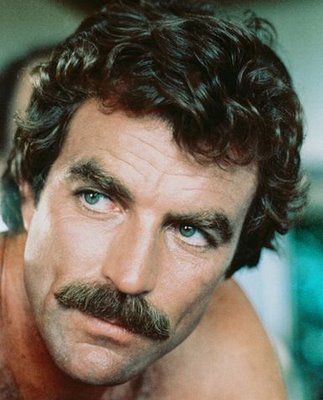
Thick, full, and covering the entire upper lip, the Chevron is probably the most recognizable 70s rockstar mustache. Think Freddie Mercury during Queen’s peak years. His version was dense and perfectly imperfect. Never fussy, always commanding. It balanced flamboyance with raw power, which made it unforgettable.
The Horseshoe
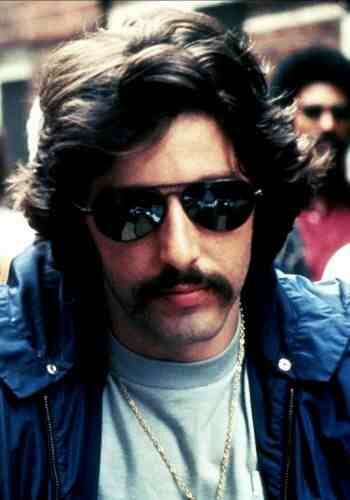
Shaped like an upside-down U, the Horseshoe extends down the sides of the mouth toward the jawline. It’s aggressive, confrontational, and a little dangerous. Members of Black Sabbath leaned into this look, pairing it with darker clothing and heavier sounds. This was the mustache of musicians who wanted to look untouchable.
The Zappa
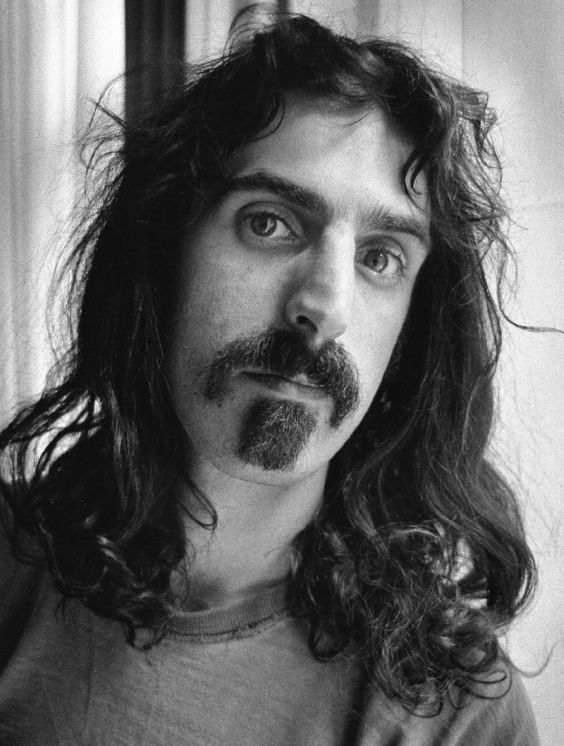
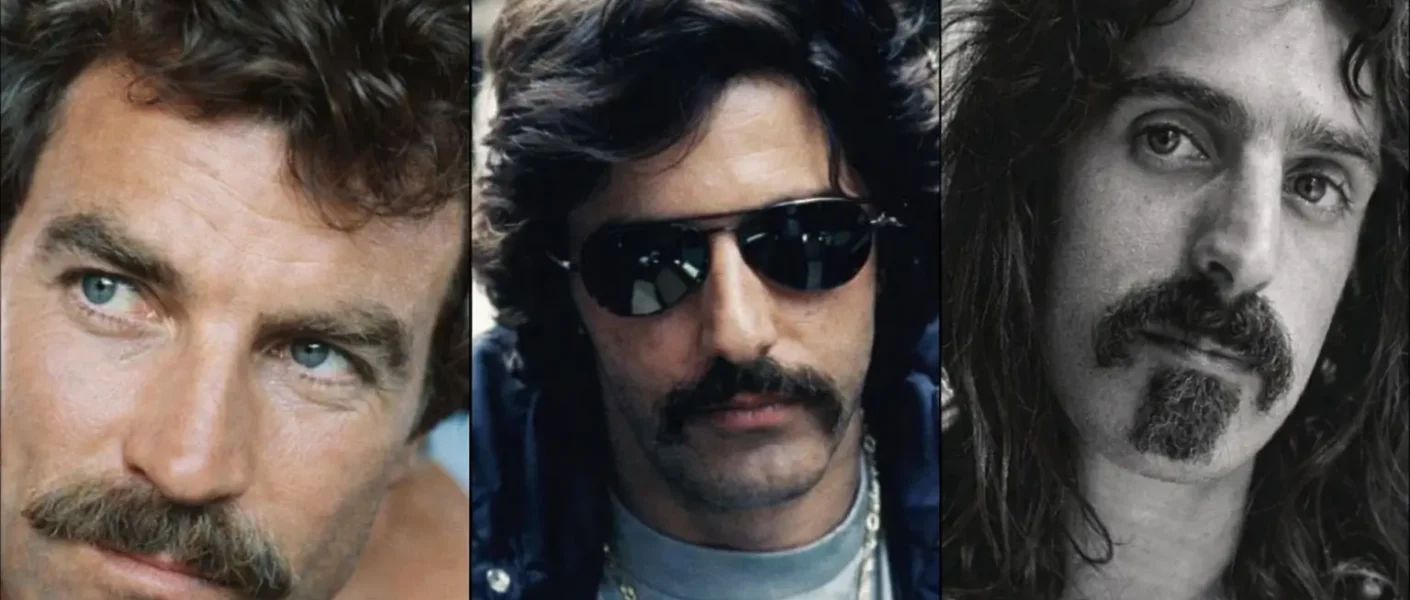
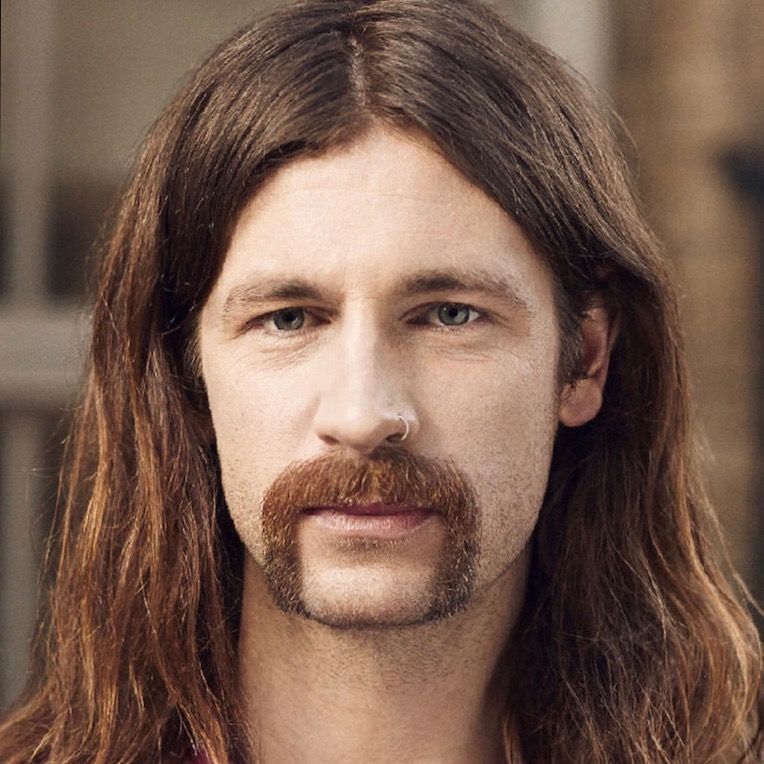
Named after Frank Zappa, this style combines a thick mustache with a rectangular soul patch. Weird, intellectual, and deliberately unconventional, it suited musicians who didn’t care about mainstream appeal. If the Chevron was stadium rock, the Zappa lived comfortably outside the spotlight.
The Walrus
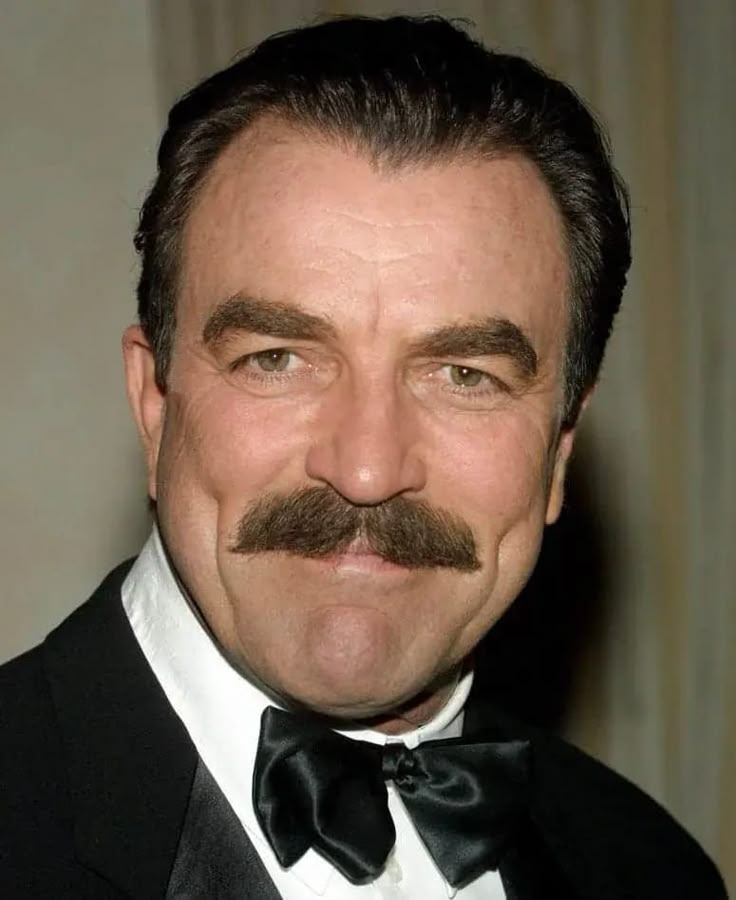
Long, bushy, and often hanging over the lower lip, the Walrus mustache required commitment. It wasn’t neat, and that was the point. Southern rock and folk musicians embraced this look because it felt organic and untamed, much like the music itself.
The Handlebar
While the Handlebar predates the 70s, some rockers revived it for its theatrical flair. Waxed ends curling upward added drama and a hint of outlaw energy, especially when paired with leather jackets or Western boots.
Hair and Mustache Pairings That Made It Work
A 70s rockstar mustache rarely stood alone. It worked because it was part of a larger silhouette.
- The Rockstar Shag: Layered, messy, and full of movement. This cut framed a thick mustache naturally and gave off effortless cool.
- The Classic Mullet: Shorter in the front and long in the back. Paired with a Horseshoe or Walrus mustache, it leaned into biker-rock territory.
- Bohemian Waves: Long, center-parted hair paired perfectly with mustaches like the Zappa, especially in prog and experimental rock circles.
Grooming the 70s Rockstar Mustache the Right Way
Despite the rough image, most iconic mustaches of the era were maintained. They just were not over-polished.
Growth comes first. Two to four weeks will get you started, but styles like the Walrus or Horseshoe can take months. Patience is part of the process.
Trim sparingly. Use small scissors or a precision trimmer to clean the line just above the lip. Density matters more than sharp edges for a true 70s rockstar mustache.
Condition daily. Oils with argan, jojoba, or castor help keep hair soft and visually thicker. Healthy skin underneath prevents flaking, which is the fastest way to ruin the look.
Managing the Lip Line for Modern Life
Here’s where old-school style meets modern reality. A true 70s Walrus often spilled over the upper lip, and back then, no one cared if it dipped into a beer or a sandwich. Today, that can get old fast.
The fix is simple and subtle. Instead of trimming straight across the front, lightly taper the underside of the mustache. Use scissors or a trimmer angled upward and remove just enough bulk where the hair meets the lip. From the front, the mustache still looks full and heavy. From the side, it stays out of your mouth.
This one small adjustment keeps the spirit of the 70s rockstar mustache intact while making it far more wearable day to day.
Fashion That Completes the Rockstar Aesthetic
The mustache was the centerpiece, but the outfit sold the story.
- Bottoms: High-waisted flares, bootcut jeans, or wide-leg trousers
- Tops: Ringer tees, open-collar shirts, velour or satin for disco-rock crossover
- Outerwear: Leather jackets or shearling-lined denim
- Accessories: Aviator sunglasses, silver chains, chunky rings, and wide leather belts
This wasn’t about subtlety. It was about presence.
Cultural Impact of the 70s Rockstar Mustache
The mustache became shorthand for masculine confidence across pop culture. Actors like Burt Reynolds helped cement the idea that a well-kept mustache could be both rugged and stylish. Musicians followed suit, using facial hair as part of their performance persona.
For artists like Freddie Mercury, the mustache even played with gender norms and identity. It added contrast to flamboyant outfits and theatrical performances.
The 70s Rockstar Mustache Still Works Today
Trends fade fast, but the 70s rockstar mustache keeps coming back because it feels real. It is not overly shaped or perfectly groomed. It looks lived-in, expressive, and confident in its own skin. That honesty is hard to manufacture, which is exactly why it still resonates.
Wearing one today is less about copying a decade and more about adopting an attitude. Confidence leads. Style follows. Rules are optional.